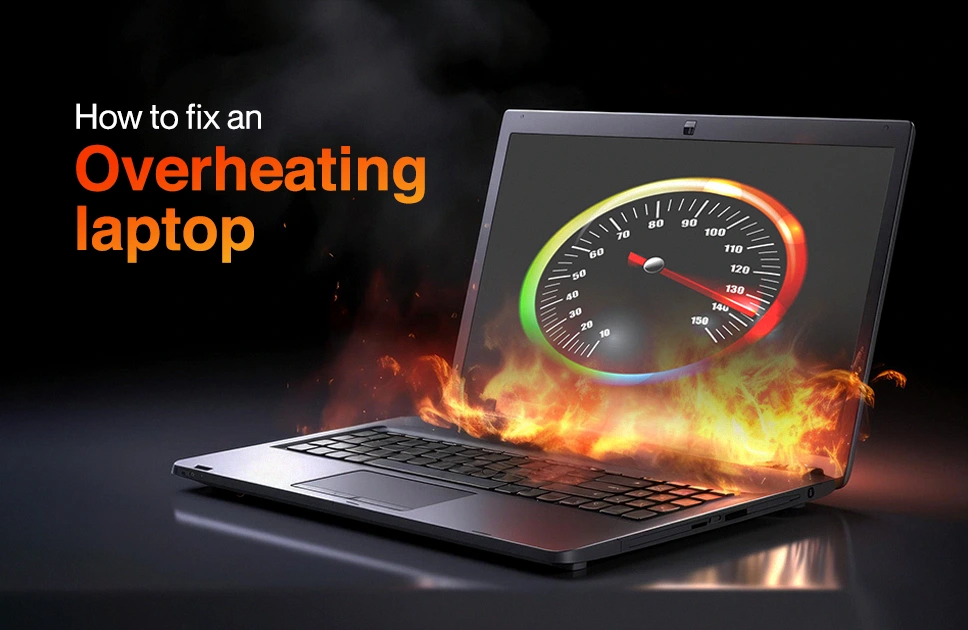
Understanding Gadget Overheating: Causes and Solutions
Gadget overheating is a common issue that can affect the performance and longevity of your devices. Several causes can lead to this problem, including poor ventilation, excessive background processes, and exposure to direct sunlight. When a gadget's internal components generate more heat than they can dissipate, it can result in throttling, unexpected shutdowns, or even permanent damage. To understand how to manage this, it's important to identify the symptoms and the underlying issues impacting your device's temperature control.
To tackle gadget overheating, consider implementing a variety of solutions. First, ensure that your device has adequate airflow; avoid using it on soft surfaces, like beds or couches, which can block ventilation. Additionally, regularly monitoring and closing unnecessary applications can minimize processor stress. If overheating persists, using a cooling pad or seeking professional assistance may be necessary to maintain your gadget's performance and health.
Counter-Strike is a highly popular first-person shooter game that pits teams of terrorists against counter-terrorists in various mission objectives. The game emphasizes teamwork, strategy, and skillful play, making it a favorite among competitive gamers. For those looking to enhance their gaming experience and ensure their equipment stays cool during intense matches, check out the Top 10 Laptop Accessories to Prevent Overheating.
Top Tips to Keep Your Devices Cool During Hot Weather
As the temperature rises, it's important to take steps to keep your devices cool. Overheating can cause performance issues and even permanent damage to your electronics. Here are some top tips to ensure your devices stay at optimal temperatures during the hot weather:
- Keep devices in the shade: Direct sunlight can significantly raise the internal temperature of your gadgets. Always store your devices in a shaded area when not in use.
- Use a cooling pad: For laptops, a cooling pad can help maintain airflow and lower the temperature. This is especially useful during long work sessions or gaming marathons.
In addition to the above tips, consider the following strategies to further protect your devices from the heat:
- Limit heavy usage: Avoid intensive tasks during peak heat hours. Heavy processing tasks can generate excess heat, so consider scheduling downloads or video streaming for cooler times of the day.
- Monitor internal temperatures: Many devices have built-in temperature monitoring tools that can alert you to rising temperatures. Utilize these tools to keep a close eye on your device's condition.
Is Your Device Overheating? Signs to Watch Out For
Overheating is a common issue among electronic devices, and it can lead to significant damage if not addressed promptly. One of the primary signs to watch out for is an unusually warm surface. If you notice that your smartphone, laptop, or tablet feels hotter than normal during use, it may be struggling to regulate its temperature. Additionally, frequent crashes or unexpected shutdowns can indicate overheating issues, as devices tend to power down to protect their internal components.
Another telltale sign of an overheating device is a measurable decline in performance. This can manifest as lagging applications, slower boot times, or delays in response when you interact with your device. In some cases, you might also experience a noticeable increase in fan noise, especially in laptops, as the cooling system works harder to expel heat. If you find that your device exhibits any of these symptoms, it’s crucial to take immediate action to prevent further damage.