The Future of Power: How Wireless Charging is Transforming Our Lives
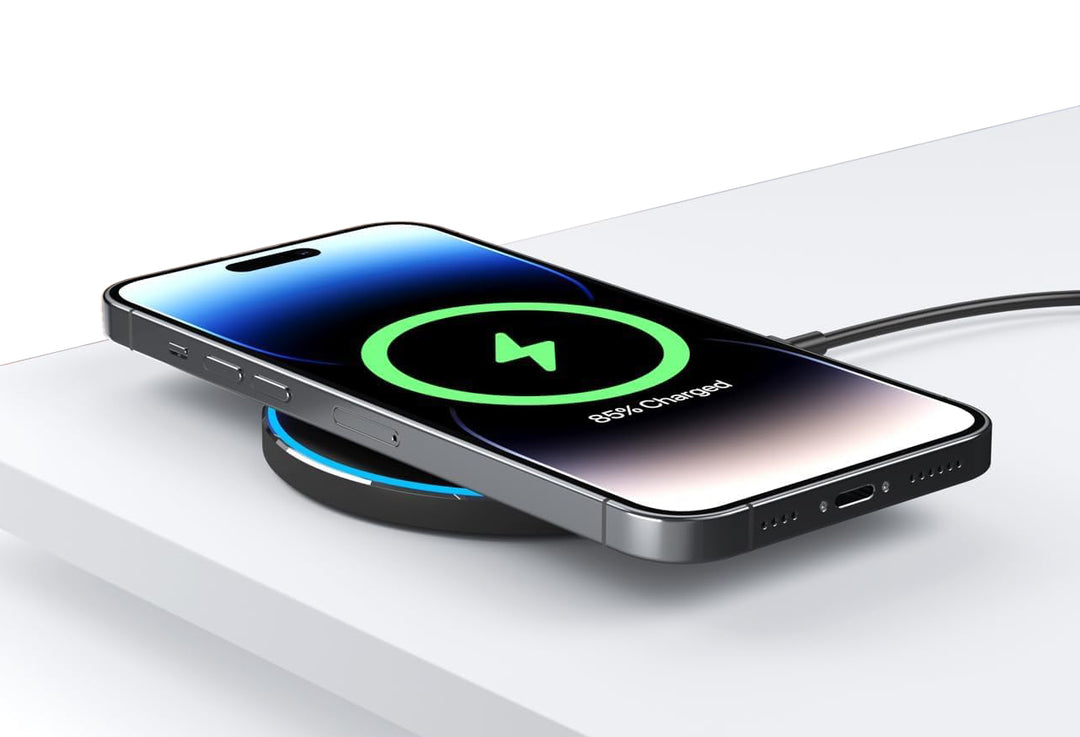
The future of power is rapidly evolving, and one of the most significant advancements is wireless charging. This innovative technology is transforming our lives by eliminating the constraints of traditional charging methods. With the ability to power up devices without the need for cables, wireless charging offers unparalleled convenience. Imagine simply placing your smartphone or electric vehicle on a charging pad, and it begins to charge automatically. This seamless integration into our daily lives not only enhances user experience but also paves the way for new applications in various industries.
Moreover, wireless charging is not limited to consumer electronics; it has the potential to revolutionize the way we power a multitude of devices. For instance, in the healthcare sector, wireless charging systems can keep medical devices operational without direct plugs, minimizing infection risk in hospitals. Additionally, as we look toward the future, the possibility of charging through the air becomes more tangible, with companies exploring long-range wireless charging that could allow us to power our gadgets on-the-go. The evolution of this technology promises to redefine our relationship with power, making it more accessible and efficient than ever before.
Counter-Strike is a highly popular first-person shooter game that emphasizes team-based gameplay and strategy. Players can choose to be part of the terrorist or counter-terrorist teams, each with distinct objectives that create engaging and competitive experiences. In addition to gaming, it's essential to stay organized, especially with gadgets. Check out the Top 10 Nightstand Charging Docks for iPhone to keep your devices charged and ready for action!
Wireless Charging 101: What You Need to Know About the Technology
Wireless charging, also known as inductive charging, is a convenient and innovative technology that allows electronic devices to recharge without the hassle of cables and connectors. This method uses electromagnetic fields to transfer energy between two coils – a transmitter coil in the charging station and a receiver coil in the device. As technology advances, this method has become increasingly popular, especially for smartphones, smartwatches, and wireless earbuds. Understanding the basics of wireless charging can help consumers make informed decisions when purchasing compatible devices.
There are primarily two types of wireless charging standards: Qi and PMA. The Qi standard, developed by the Wireless Power Consortium, has gained widespread acceptance and is used by most major smartphone manufacturers. To use wireless charging, simply place your device on a compatible charging pad, and the charging process begins automatically. It's important to note that while wireless charging is incredibly convenient, it may not be as fast as traditional wired charging. However, many users find the trade-off worth it for the simplicity and ease of use.
Is Wireless Charging Safe? Debunking Myths and Misconceptions
As wireless charging technology gains popularity, many users are left wondering about its safety. One common misconception is that wireless charging emits harmful radiation. In reality, wireless charging uses electromagnetic fields to transfer energy, similar to how your Wi-Fi operates. The levels of electromagnetic radiation are well within safety standards established by regulatory bodies, significantly lower than those from other household devices such as microwaves and cell phones.
Another myth surrounding wireless charging is that it can cause overheating or damage to your device. While it is true that devices may warm up slightly during charging, reputable wireless chargers are designed with safety mechanisms to prevent overheating. They come equipped with features like thermal protection and automatic shut-off, ensuring that your device remains safe while charging. In summary, when using a certified charger, you can enjoy the convenience of wireless charging without substantial risks to your device.