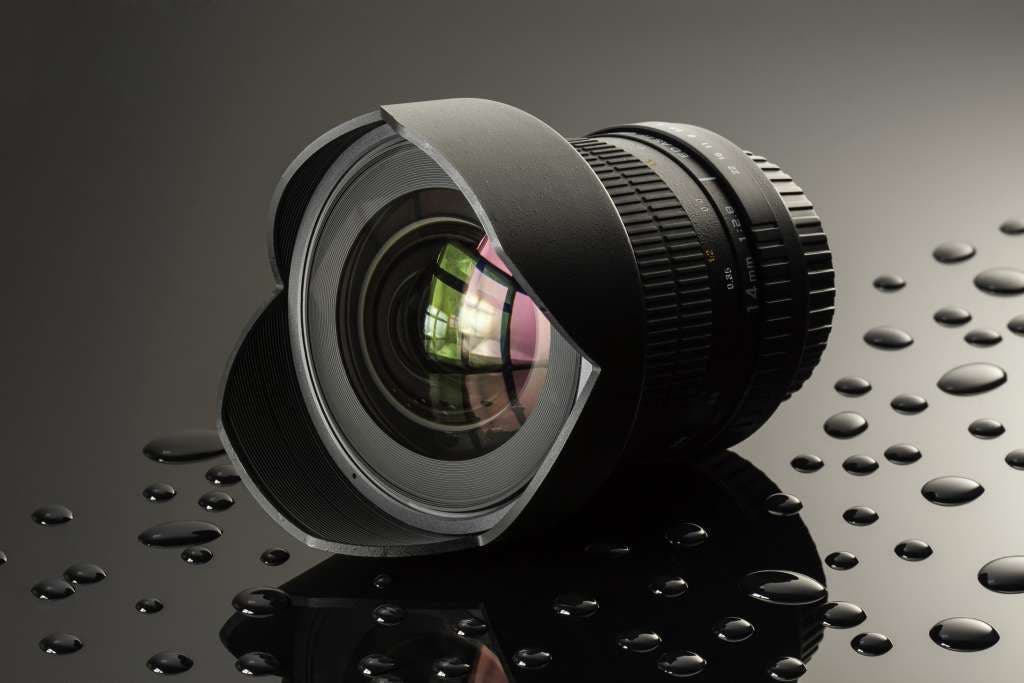
Exploring the Art of Wide Angle Photography: Tips for Stunning Shots
Wide-angle photography is a captivating way to capture expansive scenes, allowing photographers to encapsulate vast landscapes and tight spaces in a single frame. To master this art, one must first understand the characteristics of wide-angle lenses, which typically have focal lengths of 24mm or less. These lenses create a greater depth of field, enabling the foreground and background to remain in sharp focus. To make the most of your wide-angle shots, consider techniques such as leading lines, which can draw the viewer’s eye into the image, and framing, where elements in the scene provide structure and context to your composition.
Another crucial aspect of wide-angle photography is understanding how to control distortion. While some distortion can add a creative flair to your images, excessive bending of lines can be distracting. To minimize distortion, try to keep important subjects away from the edges of the frame. Additionally, experiment with perspective by changing your shooting angle—sometimes getting low to the ground can create dramatic effects. Remember, practice is key, so make it a point to explore different settings and play with your wide-angle lens to discover the stunning shots waiting to be captured.
Counter-Strike is a popular first-person shooter game that has captivated millions of players worldwide. Known for its competitive gameplay, players join either the terrorist or counter-terrorist side to complete objectives and eliminate the opposing team. For those interested in enhancing their mobile photography, check out the Top 10 iPhone camera lenses to improve your skills. With its strategic elements and teamwork, Counter-Strike has become a staple in the esports community.
The Science Behind Wide Angle Lenses: How They Transform Your Perspective
Wide angle lenses have become a fundamental tool in photography, offering unprecedented visibility and a unique perspective on the world. By utilizing a wider field of view than standard lenses, they allow photographers to capture expansive landscapes, architectural structures, and creative compositions that are otherwise impossible to achieve. This is primarily due to their shorter focal lengths, which typically range from 14mm to 35mm, enabling the camera to encompass a broader scene. As a result, subjects can appear more dynamic and visually engaging, drawing viewers into the photograph and providing a sense of depth that standard lenses often lack.
Additionally, the effects of wide angle lenses go beyond mere composition; they also influence the way we perceive spatial relationships. The distortion that occurs at the edges of wide angle images can amplify the sense of scale and distance, making foreground subjects appear larger while simultaneously compressing background elements. This technique is particularly effective in storytelling, allowing photographers to convey emotion and narrative in their work. By understanding the science behind these lenses and their impact on perspective, photographers can skillfully utilize wide angle lenses to transform ordinary scenes into captivating visual stories.
FAQs about Wide Angle Photography: Common Questions Answered
Wide angle photography often raises a variety of questions among both novice and experienced photographers. One common question is, "What exactly is considered a wide angle lens?" Generally, a lens with a focal length of 35mm or less on a full-frame camera is classified as wide angle. This type of lens allows for a broader field of view, which makes it perfect for capturing landscapes, architecture, and even large group portraits. Another frequently asked question is regarding the distortions that can occur with wide angle photography. While such distortions—especially barrel distortion—are common, they can be mitigated through careful composition and post-processing techniques.
An essential aspect of wide angle photography is understanding how to effectively use depth of field. Many photographers wonder, "How can I create stunning wide angle shots with a sharp foreground and background?" The key lies in selecting a small aperture (high f-stop number) to increase the depth of field, thus ensuring that both the foreground and background elements are in focus. Additionally, utilizing leading lines and framing techniques can help guide the viewer's eye through the composition, enhancing the overall impact of the photograph. By addressing these common queries, photographers can better harness the benefits of wide angle lenses to create compelling and dynamic images.