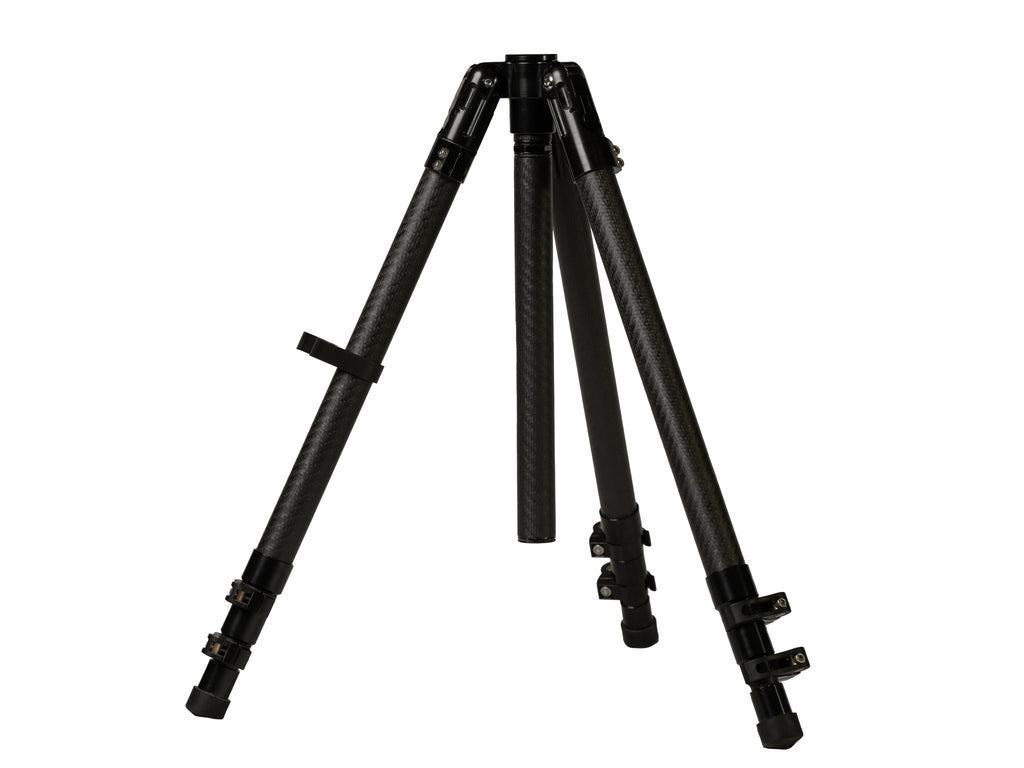
The Ultimate Guide to Choosing the Perfect Tripod for Your Photography Needs
Choosing the perfect tripod for your photography needs can significantly enhance the quality of your images and provide the stability necessary for capturing sharp, professional-looking photos. First, consider the type of photography you engage in. Landscape photography often requires tripods that are sturdy and can withstand varying weather conditions, while travel photography may prioritize lightweight options for portability. Here are some essential factors to consider:
- Material: Aluminum is lightweight and affordable, while carbon fiber offers durability and reduced weight.
- Height: Ensure the tripod extends to a comfortable height for your shooting style.
- Load Capacity: Choose a tripod that can support the weight of your camera and any additional gear.
Once you've figured out the basics, think about the features that will enhance your shooting experience. Adjustable leg angles allow for versatile positioning, while a ball head or pan-tilt head can provide fluid movement for precise framing. Don't forget to factor in the head type that best suits your photography style; for example, a video head may be more useful for videographers. Lastly, consider the tripod’s footing – rubber feet are great for indoor use, while spiked feet provide better grip on uneven outdoor terrain. Choosing the right tripod tailored to your needs can elevate your photography and make your shoots more enjoyable.
Counter-Strike is a popular tactical first-person shooter game that has captivated millions of players around the world since its inception. The game emphasizes teamwork, strategy, and skill, making it a staple in both casual and competitive gaming communities. As players engage in thrilling matches, they can also find inspiration for their adventures outside the game. For example, if you're a creator on the go, check out the Top 10 Travel Gear for Creators to equip yourself with the best tools for your next project.
5 Essential Tips for Using a Tripod to Capture Stunning Landscape Shots
Using a tripod can significantly enhance your landscape photography by providing stability and reducing camera shake, which is crucial for capturing sharp images. Here are 5 essential tips to make the most of your tripod:
- Choose the Right Tripod: Ensure your tripod is sturdy enough to handle your camera and lens combination. Lightweight tripods are convenient for travel but may not offer the stability needed for long exposures.
- Utilize the Timer or Remote: Even the slightest movement can blur your image. To avoid this, use your camera's self-timer or a remote shutter release when taking a shot.
In addition to using your tripod correctly, consider positioning it for the best perspective. Implement these final tips:
- Level Your Tripod: Ensure your tripod is on level ground to avoid unwanted tilts in your images. Many tripods come with a built-in bubble level to assist you.
- Experiment with Angles: Don’t hesitate to move around and try different vantage points. Lowering your tripod can create a dramatic effect and bring unique elements into your composition.
- Practice Patience: Landscape photography often requires waiting for the right moment, especially in changing light conditions. Use your tripod to compose your shot and wait for the perfect light to capture stunning landscape shots.
How a Tripod Can Transform Your Night Photography: Tips and Techniques
When it comes to night photography, the importance of a sturdy tripod cannot be overstated. A tripod provides the stability needed for long exposure shots, allowing you to capture more light and detail without the risk of camera shake. In low-light conditions, even the slightest movement can result in blurry images. By using a tripod, you can achieve sharp, clear photos of stunning night skies, cityscapes, or any other nighttime scenes you wish to immortalize. Consider investing in a high-quality tripod that is both lightweight and durable, making it easy to carry for all your nighttime adventures.
To maximize your night photography experience with a tripod, follow these essential tips and techniques:
- Use a remote shutter release or the camera's timer to avoid any potential movement when pressing the shutter button.
- Experiment with different exposure times to capture the desired amount of light; this may take some trial and error.
- Always ensure your tripod is on a stable and level surface to maintain your composition.
- Try using lower ISO settings to reduce noise while allowing longer exposure times.