The Evolution of Nylon: From Utility to High Fashion
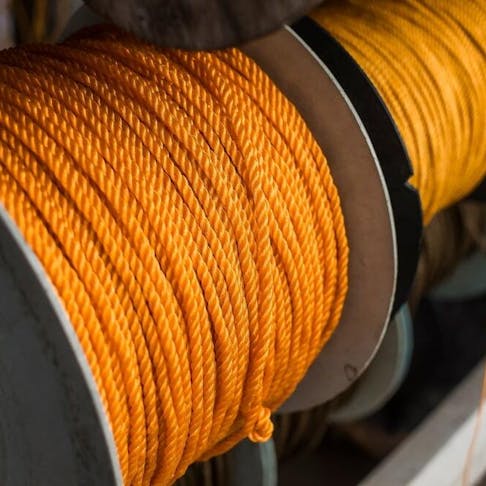
The journey of nylon began in the 1930s, when it was introduced as a revolutionary synthetic fiber by the DuPont company. Initially, it was celebrated for its utility in various applications such as stockings, ropes, and parachutes. This versatility stemmed from its unique properties: durability, elasticity, and resistance to mildew. Over the years, the ascent of nylon extended beyond practical uses, where it began to resonate with the fashion industry. The transition was not instantaneous but marked by significant milestones, including the debut of nylon stockings on May 15, 1940, which created a sensation among consumers and was dubbed 'Nylon Day.'
As fashion evolved, so did the applications of nylon. By the 1970s, designers began to incorporate nylon into high-fashion collections, utilizing its sleek finish and vibrant color potential. Renowned designers such as Balenciaga and Gucci started experimenting with the fabric, paving the way for nylon to become a staple in luxury streetwear.
Today, nylon is not just a utility fabric but rather a trendsetting material that embodies modern aesthetics, blending utility with style. The fabric's journey from a practical invention to a luxurious choice in haute couture illustrates the remarkable adaptability of nylon in the ever-changing landscape of fashion.
Counter-Strike is a popular tactical first-person shooter game that emphasizes team-based gameplay and strategy. Players can choose to play as either terrorists or counter-terrorists in a variety of game modes. For those interested in improving their gaming experience, you might want to check out the Top 10 Lightweight Apple Watch Bands to keep track of your performance while playing. The game has evolved over the years, with several iterations, including the highly acclaimed Counter-Strike: Global Offensive.
10 Ways Nylon Has Transformed Modern Wardrobes
Nylon, initially developed as a synthetic alternative to silk in the 1930s, has drastically transformed modern wardrobes, making them more versatile and functional. Its unique properties, such as durability, lightweight design, and moisture resistance, have allowed fashion designers to create innovative garments that cater to various lifestyles. From the everyday essentials like activewear and outerwear to high-fashion items, nylon has established itself as a go-to fabric in contemporary fashion.
One of the most significant contributions of nylon to modern wardrobes is its ability to repel water, making it an ideal choice for outdoor apparel. For instance, rain jackets and windbreakers crafted from nylon are not only stylish but also offer practicality for unpredictable weather. Furthermore, its easy-care nature, requiring minimal washing and drying, revolutionizes how we maintain our clothing. In summary, with its impressive blend of functionality and fashion, nylon has become a foundational fabric that continues to reshape the fashion industry.
Why Nylon is the Unsung Hero of Sustainable Fashion
Nylon often gets a bad rap in discussions of sustainable fashion, primarily due to its origins as a synthetic material derived from petroleum. However, the evolution of production methods and a growing emphasis on recycling have positioned nylon as an unsung hero in the quest for eco-friendly alternatives. With advancements in technology, brands are now creating recycled nylon from post-consumer waste, significantly reducing the environmental footprint associated with conventional nylon production. This transition highlights how a once vilified fabric can transform into a sustainable choice, aligning with the values of conscious consumers.
Moreover, nylon's durability makes it a superior option for sustainable fashion. Unlike many natural fibers that degrade quickly and require frequent replacements, nylon boasts a long lifespan, minimizing waste over time. As many sustainable fashion advocates emphasize, longevity is a key factor in achieving sustainability. Not only does durable nylon reduce the need for constant replacements, but it also retains its quality through countless washes and wears, making it a practical and eco-friendly choice for garments, accessories, and beyond.