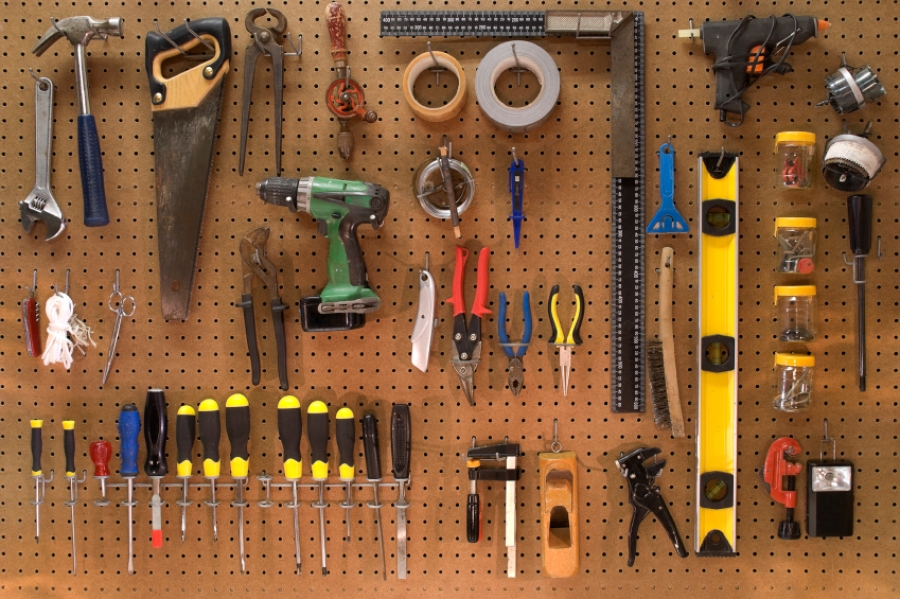
5 Essential DIY Tools You Can Easily Craft at Home
When it comes to DIY projects, having the right tools at your disposal can make all the difference. Here are 5 essential DIY tools you can easily craft at home to enhance your toolkit:
- Homemade Paint Stirrer: Take a piece of scrap wood and cut it into a long, thin shape to create an effective paint stirrer. This will help you achieve a smooth mix for your paint.
- DIY Hammer: If you have a sturdy rock and a wooden stick, you can fashion a makeshift hammer. Secure the rock onto one end of the stick using some strong tape for a quick fix.
- Cardboard Screwdriver: By cutting a piece of cardboard into a flat shape and reinforcing it with some glue, you can create a temporary screwdriver for light tasks.
- Wooden Level: A simple plank of wood can serve as a makeshift level. Attach a small weight or use a bubble level to ensure horizontal alignment.
- Reusable Measuring Tape: Grab an old cloth tape measure and mark common lengths with permanent markers for quick and easy measurements.
Counter-Strike is a popular tactical first-person shooter game that emphasizes teamwork and strategy. Players can choose to be part of the terrorist or counter-terrorist teams, each with unique objectives. For those looking to upgrade their gaming setup, check out the Top 10 Rechargeable Electric Screwdrivers which are essential for customizing your gaming hardware for optimal performance.
Why Making Your Own Tools Saves Money and Boosts Creativity
Creating your own tools not only enhances your creativity, but it also leads to substantial cost savings. When you design and build tools tailored specifically to your needs, you cut out the expenses associated with purchasing ready-made products. Custom-made tools often require fewer materials and can be repurposed from what you already have at home, making this a sustainable option that minimizes waste. Additionally, DIY tools tend to be less expensive than their commercial counterparts, especially when manufactured in bulk or designed for a specific task. By taking the initiative to craft your own tools, you empower yourself to innovate while keeping your financial resources in check.
Moreover, making your own tools fosters an invaluable sense of accomplishment and satisfaction. When you successfully create a tool from scratch, it not only boosts your creativity but also drives further innovation as you discover new ways to improve or adapt your designs. The process of creating encourages problem-solving skills and allows you to experiment with different materials and techniques. This hands-on approach not only enhances your skill set but also cultivates a deeper understanding of the tools you use, leading to a more rewarding experience in your projects. In essence, the journey of DIY tool-making is as enriching as the finished product itself.
What Are the Best Materials for Crafting Functional DIY Tools?
When it comes to crafting functional DIY tools, choosing the right materials is crucial for ensuring both durability and effectiveness. Wood is a popular choice due to its versatility and ease of manipulation. Hardwoods like oak and maple can provide strength, while softer woods like pine are excellent for lighter tools and projects. Another essential material is metal, particularly steel and aluminum, which offer exceptional strength and longevity. A combination of materials can also be beneficial; for instance, using a wooden handle with a metal blade can create tools that are not only strong but also comfortable to use.
In addition to wood and metal, plastic can be an effective material for some tools, offering lightweight options that are resistant to corrosion. High-density polyethylene (HDPE) and polycarbonate are excellent choices for DIY tool components that require durability and flexibility. For specialized tools, consider incorporating composite materials, which combine the strengths of different substances to achieve desired properties, such as improved grip and reduced weight. Ultimately, the best materials for your DIY tools will depend on the specific function of the tool and the demands of your projects.