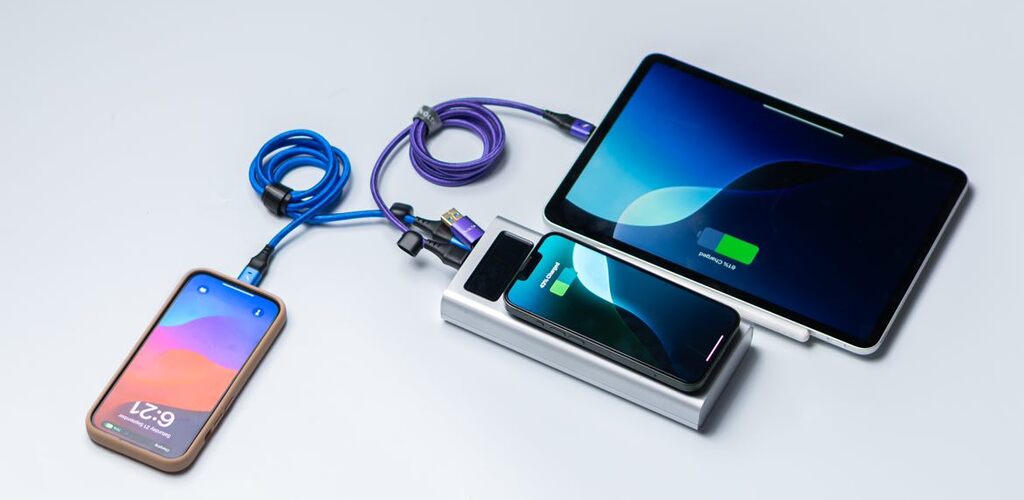
The Rise of Wireless Charging: Is It Possible to Charge Your Devices from a Distance?
The rise of wireless charging technology has revolutionized the way we power our devices, providing a convenient alternative to traditional wired charging. Currently, most wireless charging solutions work over short distances, typically requiring devices to be placed on a charging pad or mat. Utilizing electromagnetic fields, these systems transfer energy between a charging station and the device. Several major companies have embraced this technology, leading to its widespread adoption in smartphones, wearables, and electric vehicles. However, the question remains: is it possible to charge your devices from a distance? As innovation progresses, the exploration of mid-range and long-range wireless charging technologies may soon provide answers.
In recent developments, researchers are investigating methods to enable charging at greater distances, through technologies like resonant inductive coupling and radio frequency energy harvesting. These advancements could potentially allow you to charge your devices while moving about in the same room or even across buildings. Imagine a world where your smartphone, smartwatch, and other gadgets could draw power from a nearby transmitter without the hassle of plugging in. Although still in the experimental stages, the prospect of long-range wireless charging could redefine our relationship with technology and lead to a more effortless and accessible charging experience. The future of charging might just be wireless and limitless.
Counter-Strike is a popular tactical first-person shooter game that has become a staple in the esports community. Players engage in team-based gameplay, where strategies and skills are essential for success. For those looking to enhance their gaming experience, check out the Top 10 iPhone 17 Pro accessories that can complement your setup. With various game modes and a competitive atmosphere, Counter-Strike continues to attract a devoted fan base and new players alike.
Exploring the Future of Electric Vehicles: What Innovations are Shaping Tomorrow's Cars?
The future of electric vehicles (EVs) is bright and filled with innovative technologies that are set to redefine the automotive industry. As more manufacturers pivot to eco-friendly alternatives, several key innovations are driving this transformation. From advancements in battery technology to the integration of artificial intelligence, these developments are not only enhancing vehicle performance but also improving driver experience. For instance, the introduction of solid-state batteries promises to increase the range and reduce charging times, making EVs more practical for everyday consumers.
In addition to battery improvements, autonomous driving technologies are reshaping how we interact with cars. Companies are investing heavily in systems that utilize sensors and machine learning to create safer and more efficient driving experiences. Furthermore, the advent of vehicle-to-everything (V2X) communication allows EVs to interact with their environment, leading to smarter traffic management and reduced congestion. As these innovations continue to evolve, the electric vehicle market is positioned for unprecedented growth, solidifying its role in the quest for sustainable transportation solutions.
The Role of Renewable Energy in Revolutionizing Charging Technologies
The integration of renewable energy sources into charging technologies is playing a pivotal role in transforming how we harness and utilize power. Solar, wind, and hydroelectric energy are increasingly being leveraged to create charging stations that rely on clean, sustainable sources. As these technologies evolve, they not only reduce greenhouse gas emissions but also empower users to charge their devices and vehicles without contributing to the depletion of fossil fuels. This shift towards green energy not only benefits the environment but also promotes energy independence.
Moreover, the development of smart charging solutions that incorporate renewable energy is revolutionizing the consumer experience. For instance, electric vehicle (EV) charging stations powered by solar panels can adjust their charging speed according to the energy production of the day. Some innovative systems even allow users to monitor their energy consumption via mobile applications and make real-time decisions based on energy availability. As a result, the synergy between renewable energy and advanced charging technologies is paving the way for a more efficient and sustainable future.